
The Korea-Japan Traditional Arts Festival, themed “Sound, Story, Dance,” highlighted the vibrant heritage of both Korean and Japanese cultures. This event resonated with scholars and artists alike. It also attracted fans of K-pop, K-drama, and Japan’s rich cultural contributions.
Held at Jeonju University on September 19–20, 2025, the event commemorated the 60th anniversary of the normalization of diplomatic relations between Korea and Japan. Co-hosted by Jeonju University’s Humanities and Social Sciences Convergence Talent Development Project (HUSS Project), Tune Co., Ltd., and Japan’s legendary cultural powerhouse Shochiku Co., Ltd., the festival set a new standard for cross-cultural collaboration.
Tradition Meets Modern Audiences in Korea-Japan Arts Festival 2025
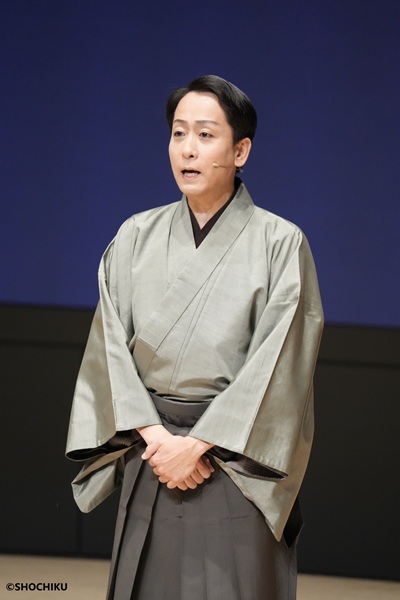
Day one opened with a thought-provoking lecture, “Opening the Door to Art through Sound: Pansori and Kabuki, Listening to the Language of Tradition.”
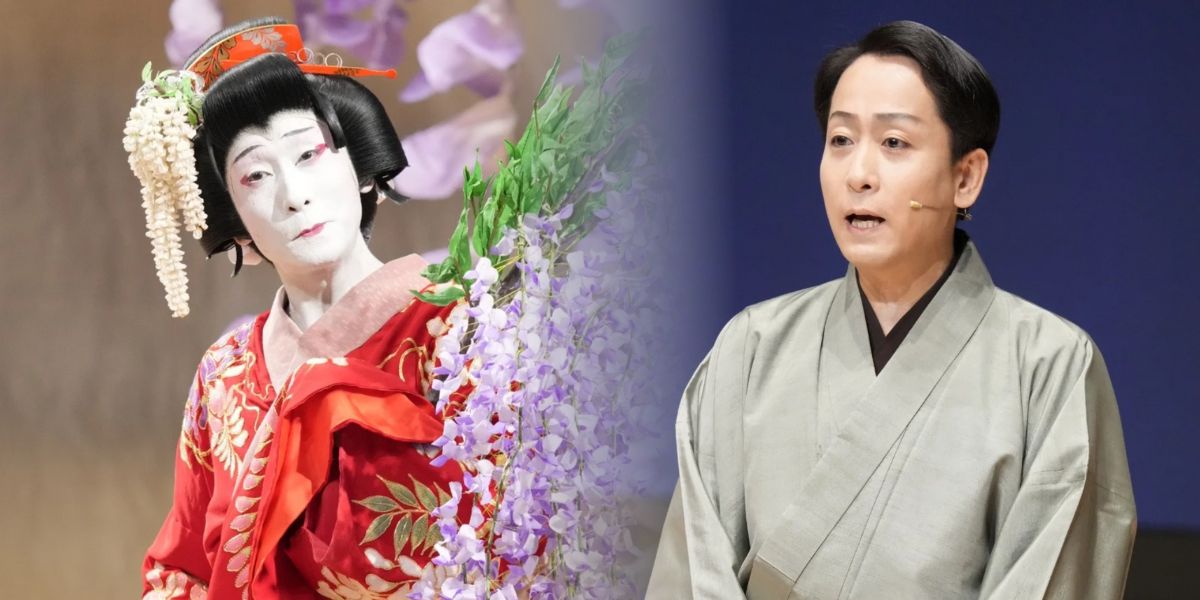
Kabuki actor Umeno Nakamura and scholar Toshiya Kataoka drew parallels between Korea’s Pansori, known for its powerful storytelling, and Japan’s Kabuki, famed for stylized movements and dramatic staging.
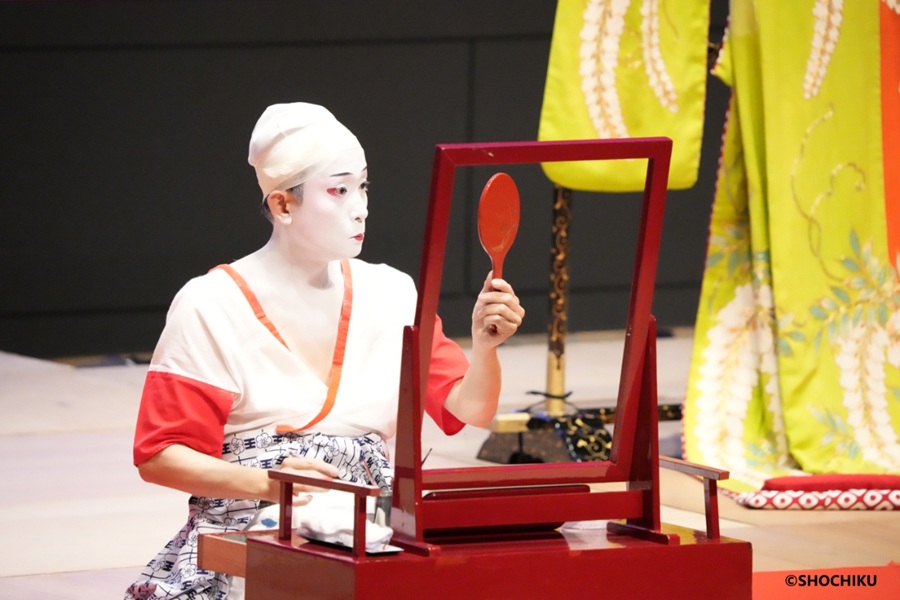
Students even tried their hand at Kabuki poses with authentic props provided by Shochiku. One remarked, “I was truly impressed by the actors who maintained poses and danced in unfamiliar positions.”
It was an immersive experience even for younger generations, often more familiar with K-pop choreography than traditional arts.
A Stage of Shared Stories
The festival’s performances followed a carefully curated schedule that blended education with artistry. After a short intermission, the stage came alive.
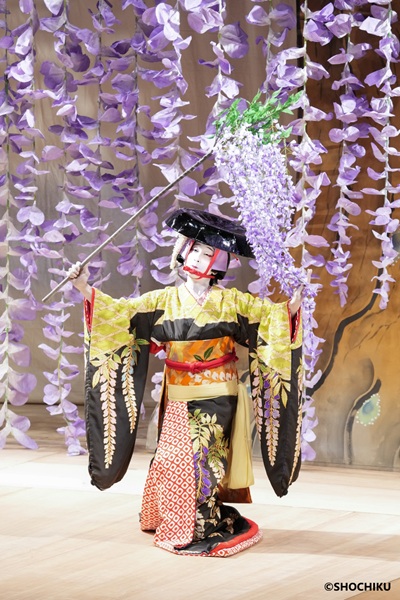
Nakamura Umeno captivated the audience with the dazzling Kabuki dance “The Wisteria Maiden (Fuji Musume)” complete with costume transformations (“hikinuki”) that drew gasps from the crowd.
Afterwards, master singer Wang Ki-seok closed the program with a moving Pansori performance of Simcheongga. His voice carried centuries of history, proving that traditional Korean music can resonate as powerfully as any modern OST from hit K-dramas.
Beyond Performance: Business and Cultural Synergy
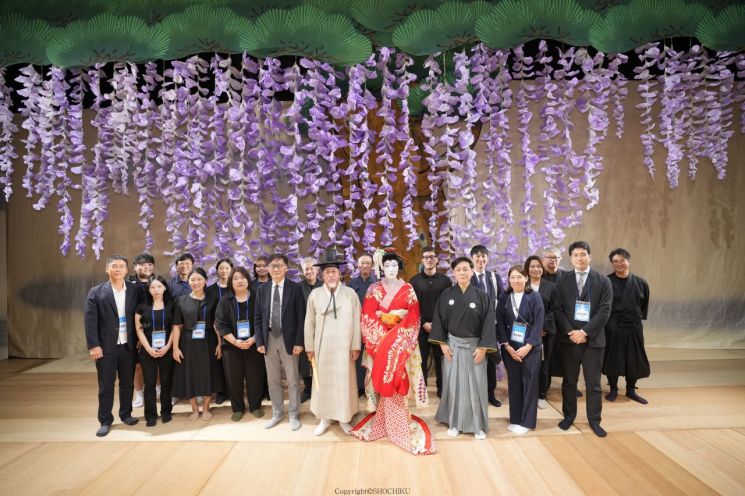
While fans were dazzled by the artistry, the festival also signaled a deeper business and cultural collaboration.
Shochiku, founded in 1895, has evolved beyond Kabuki into film, theater, broadcasting, and global media content. The company has even innovated by blending Kabuki with pop culture—staging adaptations of One Piece and Naruto—to connect with younger audiences. This mirrors the way K-pop and K-dramas bridge the gap between tradition and modernity to dominate global entertainment markets. Together, Korea and Japan are demonstrating how cultural heritage can be reimagined for international audiences and new industries.
Shiori Fujimaki, producer at Shochiku, emphasized:
“It is truly meaningful to be able to present Kabuki to the citizens of Jeonju. I hope this festival has served as an opportunity to share and appreciate the unique beauty and value of the traditional arts of both countries. The Shochiku Group will do its utmost to ensure it becomes a bridge to strengthen Korea-Japan relations and a symbol of cultural exchange.”
K-Culture Is Beyond K-Pop and K-Drama
For K-pop and K-drama fans, events like this highlight the strong ties between Korean and Japanese entertainment. Some K-drama fans may have recognized pansori from the series “Jeongnyeon: The Star Is Born,” which introduced this traditional art to a new generation of viewers. Just like how K-dramas and K-pop push creative boundaries on the global stage, these centuries-old traditions carry the same spirit of storytelling and innovation.
And with companies like Shochiku and Korean universities leading collaborations, there’s potential for new hybrid projects—blending traditional performance, modern tech, and global fandom culture.
The Korea-Japan Traditional Arts Festival was a powerful reminder that while pop culture trends may shift rapidly, the roots of storytelling, music, and performance remain timeless. And it’s even more impactful when shared across borders.
Join us on Kpoppost’s Instagram, Threads, Facebook, X, Telegram channel, WhatsApp Channel and Discord server for discussions. And follow Kpoppost’s Google News for more Korean entertainment news and updates.