

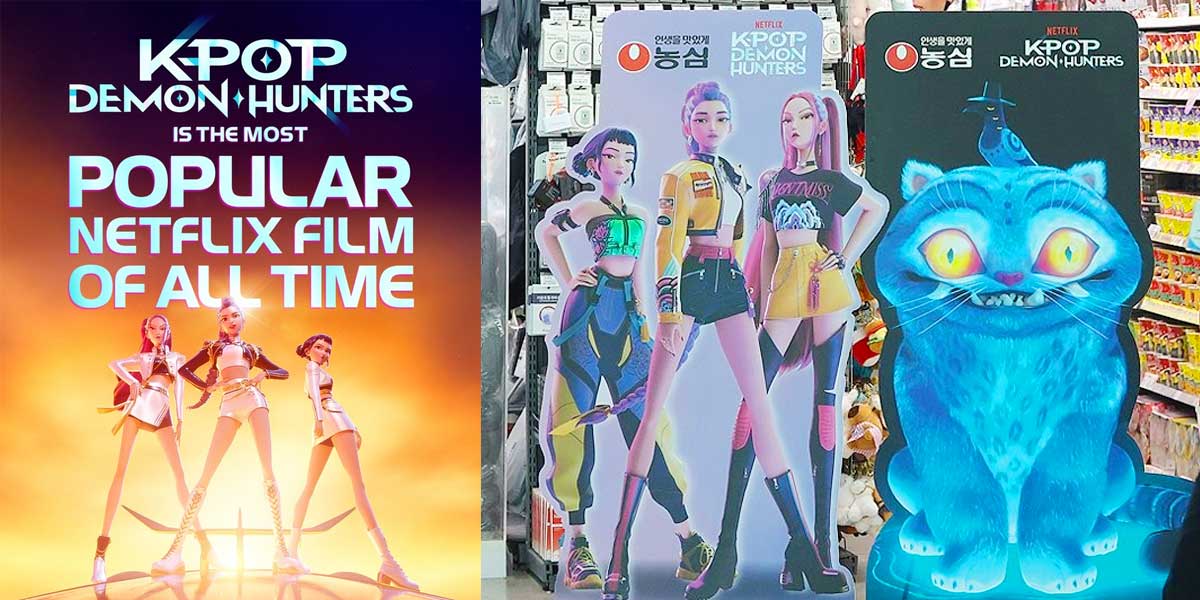
Remember the first time you played “KPop Demon Hunters”? Was it with your loved ones? Or late at night alone with your headphones? Yes, this movie felt like every K-drama trope you loved, every K-pop emotional punch, and every piece of Korean culture stitched into one movie. Yet, the more it soared on Netflix and Billboard, the more it actually strayed away from Korea’s pocket. And that’s why the success of “KPop Demon Hunters” has now turned South Korea upside down as the country is thinking over its K-content investment rules.
But will this affect you as fans anyway? Absolutely! Dive deeper into how the success of one non-Korean movie managed to create a massive earthquake in the Korean investment policy.
“KPop Demon Hunters”: When a Movie Feels Korean but Belongs Elsewhere
“KPop Demon Hunters” was produced overseas, backed by Sony Animation, with Netflix holding the intellectual property rights. Republic Records under Universal Music Group released the soundtrack, while Sony Music Publishing locked down key publishing rights.
Even though names like Ahn Hyo Seop, TWICE, and Teddy Park were proudly attached, the contracts and profits still all flowed elsewhere.
That is why for K-hallyu fans, the success of “KPop Demon Hunters” feels…a bit bittersweet.
We saw that the culture we adore dominate charts and timelines, but the deeper truth revealed how easily Korean creativity can be globalized, monetized, and exported — without Korea holding the keys.
The Global Success: Too Massive to Ignore
The movie’s runaway success forced South Korea to confront what fans already felt: Korean cultural DNA has now become a global currency.
“KPop Demon Hunters” showed that even when the production isn’t local, the world still wants the emotions, myths, and aesthetics that define Korean storytelling.
That’s why the Ministry of Culture, Sports, and Tourism is now planning to completely turn over how Korea is making its K-content investment. The ministry is preparing for a special budget just for cultural projects.
And this is a massive policy change after two decades of making K-content fight for space inside general business investments.
By doing so, the Korean ministry is basically saying: if we don’t invest—putting our money properly—in our own cultural future now, the next “KPop Demon Hunters” will highly likely belong to someone else too.
And seeing how massive the movie has become, the possibility of that happening is closer to 100%.
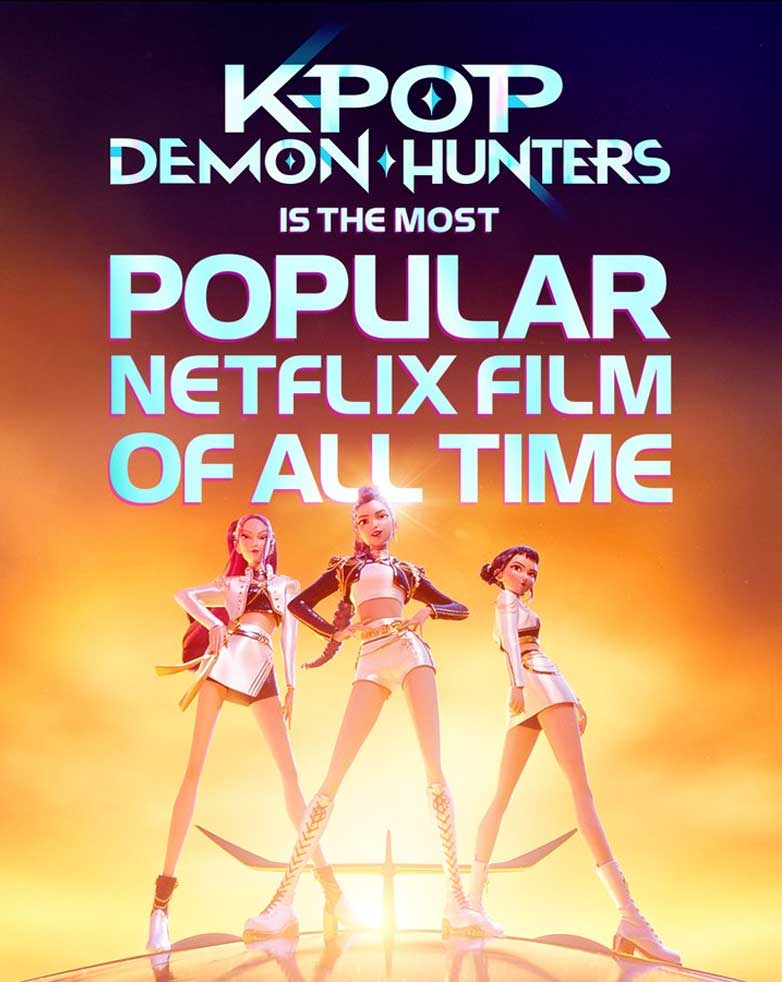


K-Content Investment Change in South Korea – What Does It Mean?
This change might sound like paperwork to you, but really, it could actually reshape the kind of K-content you’ll get to watch next.
With new funding focused just on culture, Korean creators might not have to wait around for Netflix or big global studios to say yes anymore. We could start seeing more stories that feel fully Korean — the kind that dive into folklore, family trauma, healing, idols, and emotions that hit hard… without needing to fit into someone else’s mold.
But there’s a tricky side too. “KPop Demon Hunters” happened because of global teamwork.
Now, if Korea starts locking down its content too tightly, will it help creators take back control? Or will they accidentally shut the door instead, especially on future cross-border projects that fans love just as much?
When You Love Something That Doesn’t Belong to Where It Came From
Now, this is where it hits home.
You’re the ones streaming the OSTs and drawing those breathtaking fan arts. And you’re also the ones staying up late crying over Jinu. The global fandom made “KPop Demon Hunters” what it is — trending, chart-topping, award-worthy.
Yet, behind the scenes, the profits didn’t go to South Korea. They went to the studios that packaged the culture, not the country that inspired it.

That’s why Korea’s new move isn’t just about funding or all those complicates business terms. Instead, it’s about trying to take back ownership of stories that fans helped make global.
Because when something as deeply Korean as “KPop Demon Hunters” becomes a worldwide hit… but the creators back home barely see the return… you start to wonder who really owns the culture we all love so much.
“KPop Demon Hunters”: Who Gets to Keep the Stories We Love?
Finally, “KPop Demon Hunters” may feel like a win for every fan of Korean culture for now. The movie had the tropes, the emotions, the energy — everything we show up for. Yet, the deeper it succeeded, the more it exposed how easy it is for Korean stories to leave home and never come back.
Now that South Korea is rethinking how it supports creators with the new K-content investment plan, this could be the moment everything changes.
Or the moment new walls go up.
But what do you think? The next story that hits you at 2AM… will it still carry the soul of Korea and support the people behind it? Or will it just wear the mask of K-content while someone else collects the reward?
Please join the discussion and share your thoughts in the comments.
Join us on Kpoppost’s Instagram, Threads, Facebook, X, Telegram channel, WhatsApp Channel and Discord server for discussions. And follow Kpoppost’s Google News for more Korean entertainment news and updates.











Very good pov! Ive been asking mysf