

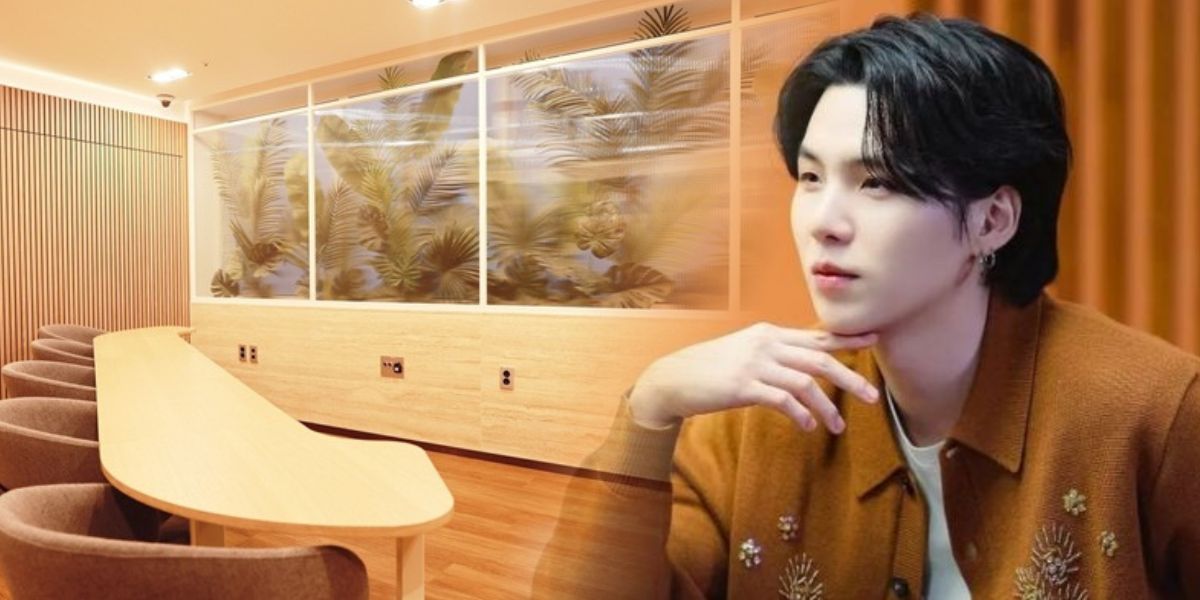
On September 30, 2025, Severance Hospital in Seoul launched the Min Yoon-gi Treatment Center. This event marked an important milestone in K-pop philanthropy and clinical innovation. Named after BTS member Suga (real name Min Yoon-gi), the center is dedicated to supporting children and adolescents with autism spectrum disorder (ASD)—a bold transformation made possible by his ₩5 billion (approximately USD 3.6 million) donation.
From Donation to Institution: How Min Yoon-gi Treatment Center Came to Be
A Record-Setting Gift
In June 2025, Suga announced his intention to donate ₩5 billion (≈ USD 3.6 million) to Yonsei University’s Severance Hospital to establish a specialized center for autism care.
This donation stands as the largest single donation ever made by a celebrity to the Yonsei Medical Foundation.
Suga’s long-standing interest in mental health and social issues played an important role. He had prior discussions with Professor Chun Geun-ah, a leading pediatric psychiatrist, about the need for sustained care beyond episodic interventions.
From Blueprint to Reality
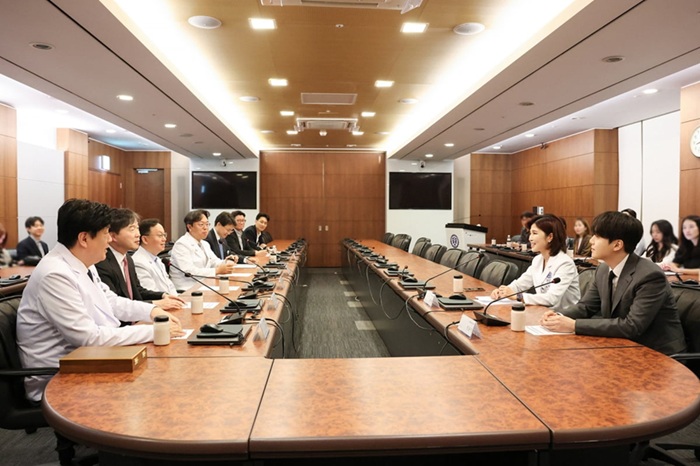


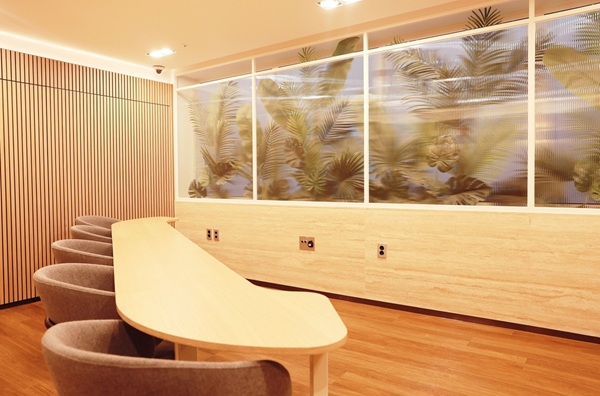
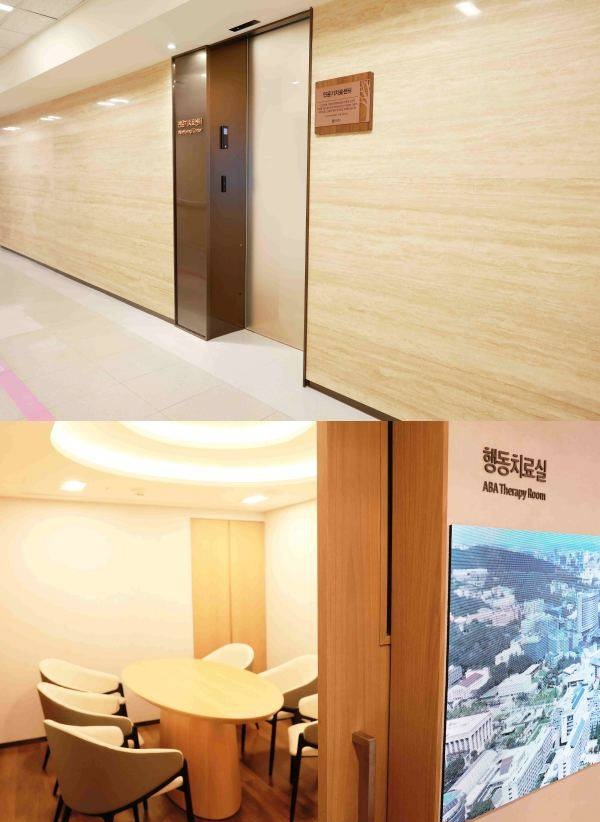
Located on the ground floor of Jejung Hall (Sinchon campus), the Min Yoon-gi Center encompasses spaces for speech therapy, behavioral therapy, and specially designed group rooms fitted with soundproofing and advanced acoustic systems for music-based social skills programs.
Hospital officials have indicated that future expansion plans are underway to accommodate growing demand and further professionalize the services.
The Heart of the Center: MIND Therapy & Multidisciplinary Care
MIND: Music as a Therapeutic Bridge
At the core of the center’s philosophy is MIND (Music, Interaction, Network, Diversity) — a group therapy model co-developed by Suga and Professor Chun that integrates musical engagement into conventional social skills training.
Activities include instrument play, lyric writing, guided emotional expression, and ensemble performance—tools designed to foster social connection, communication, and confidence.
Suga reportedly participated in session planning and even volunteered to play instruments during weekend sessions with children. His hands-on involvement underscores that this center is not just a namesake but a labor of personal conviction.
Holistic, Long-Term Care Model
Beyond music-infused therapy, the center employs a multidisciplinary team including child psychiatrists, behavioral therapists, speech therapists, clinical psychologists, and music therapists.
Unlike temporary or short-term interventions, the facility is designed to offer longitudinal support, reflecting the view that meaningful progress in ASD often requires continuity over several years.
Moreover, the center is committed to research, training, and publication of program methods—bridging the gap between practice and academic validation.
Impact, Implications & The Ripple Effect
Catalyzing More Support
Suga’s prominent contribution has reportedly sparked further donations from fans and other philanthropic actors. The center’s launch also amplifies the discussion about leveraging celebrity influence for sustainable social sectors, such as mental health and developmental disorder care.
Reducing Stigma, Raising Awareness
By situating the center within a major hospital and providing it with robust visibility, the Min Yoon-gi Center aims to destigmatize autism and promote broader social acceptance.
In media coverage, the narrative often emphasizes music’s ability to transcend communication barriers—portraying the center as both a service and a statement.
Setting a New Benchmark in K-pop Philanthropy
In the context of K-pop’s growing social role, Suga’s project stands out as a structural investment—less a one-off charity gesture, more a legacy institution. Analysts and fans have dubbed it a milestone for how idols can translate cultural capital into a lasting public good.
Challenges & Questions Ahead

Scaling demand: The need for autism support in South Korea is vast, and the center may quickly face capacity pressures.
Measuring outcomes: Ensuring systematic evaluation of MIND and associated methods will be critical for long-term credibility.
Sustainability: Beyond startup funding, the center will need stable revenue or endowments to maintain quality care.
Equity & access: Ensuring children from underprivileged backgrounds can benefit remains a key ethical imperative.
Join us on Kpoppost’s Instagram, Threads, Facebook, X, Telegram channel, WhatsApp Channel and Discord server for discussions. And follow Kpoppost’s Google News for more Korean entertainment news and updates.











Suga-yaaa~~~
JW